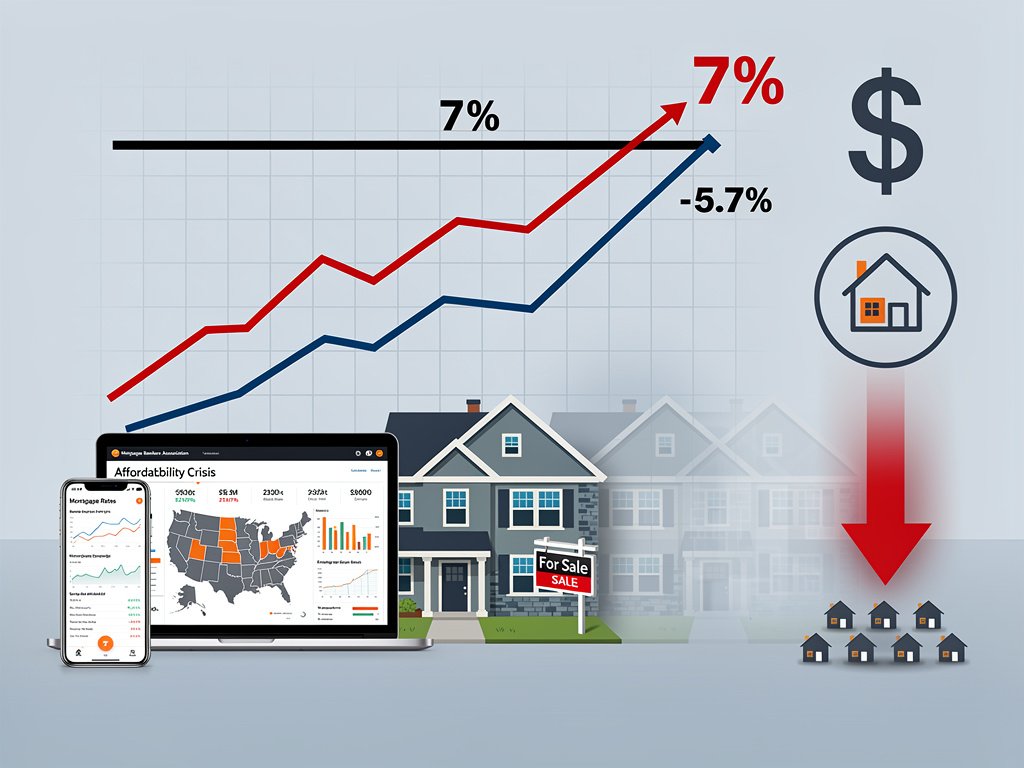
Many homebuyers hear the terms pre-qualification and pre-approval used interchangeably, but they are not the same. Understanding the difference can significantly impact your ability to buy a home, especially in competitive U.S. housing markets.
This guide explains both processes in detail and why pre-approval is essential for serious buyers.
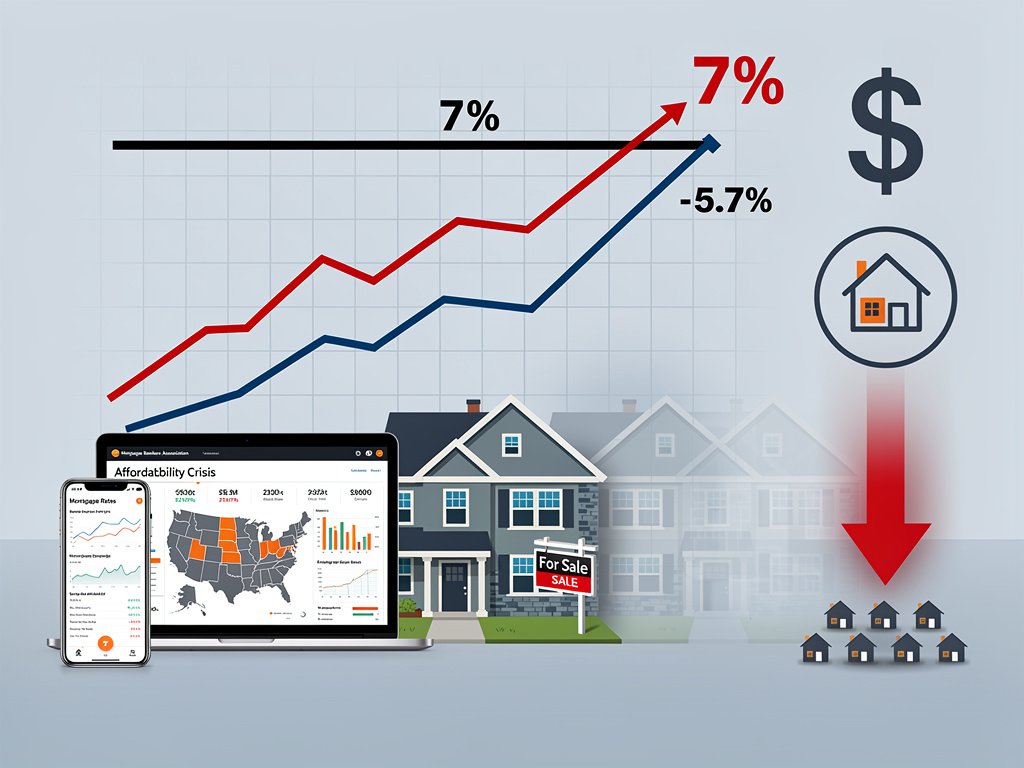
What Is Mortgage Pre-Qualification?
Pre-qualification is an informal estimate of how much a borrower may be able to borrow.
Key Characteristics of Pre-Qualification
- Based on self-reported income and debt
- No document verification
- Usually no hard credit check
- Fast and informal
Pre-qualification provides a general idea of affordability but offers no guarantee.
Limitations of Pre-Qualification
Because information is not verified:
- Loan amounts may be inaccurate
- Sellers often do not accept it
- It does not strengthen purchase offers
Pre-qualification is best used as an early planning tool.
What Is Mortgage Pre-Approval?
Pre-approval is a formal process where a lender reviews a borrower’s financial profile.
What Lenders Review
- Credit report and score
- Income documentation
- Employment history
- Assets and bank statements
- Debt obligations
After review, the lender issues a pre-approval letter stating a maximum loan amount.
Why Pre-Approval Matters in the USA
In competitive markets, sellers prioritize buyers who are pre-approved.
Pre-approval:
- Shows financial credibility
- Reduces closing risk
- Strengthens negotiation power
- Speeds up the buying process
Many sellers will not consider offers without it.
Documents Required for Pre-Approval
Borrowers should prepare:
- Recent pay stubs
- W-2s or tax returns
- Bank statements
- Photo identification
- Proof of additional income
Self-employed borrowers need additional documentation.
How Long Pre-Approval Lasts
Most pre-approvals are valid for 60 to 90 days. If the loan does not close within that time, updated documents may be required.
Does Pre-Approval Guarantee a Mortgage?
No. Pre-approval is conditional.
Final approval depends on:
- Property appraisal
- Title review
- Final underwriting
- No major financial changes
Borrowers should avoid taking new debt during the process.
Credit Impact of Pre-Approval
Pre-approval involves a hard credit inquiry. However:
- Multiple mortgage inquiries within a short window count as one
- Credit impact is usually minimal
Shopping lenders is encouraged.
Common Pre-Approval Mistakes
- Changing jobs
- Making large purchases
- Opening new credit
- Moving money without documentation
These actions can jeopardize approval.
Pre-Approval vs Pre-Qualification Summary
Pre-qualification is informational.
Pre-approval is actionable.
Serious buyers should always get pre-approved before making offers.
Final Thoughts
Pre-approval is one of the most powerful tools a homebuyer can have. It improves confidence, credibility, and success in the home-buying process.