One of the most important questions a homebuyer can ask is, “How much house can I afford?” In the United States, mortgage affordability is not just about income. Lenders evaluate a combination of financial factors to determine how much they are willing to lend, while buyers must decide what payment fits comfortably within their lifestyle.
Understanding mortgage affordability before house hunting helps buyers avoid financial stress, loan denial, and long-term regret. This guide explains how affordability is calculated, what lenders look for, and how buyers can determine a realistic and sustainable home price.
What Mortgage Affordability Really Means
Mortgage affordability refers to the maximum home price a borrower can reasonably purchase while maintaining financial stability. It is influenced by income, debt, credit, interest rates, and ongoing homeownership costs.
There is a critical difference between:
- What a lender will approve
- What a buyer can comfortably afford
Lenders focus on risk. Buyers should focus on long-term financial health.
How Lenders Calculate Mortgage Affordability in the USA
U.S. mortgage lenders primarily use debt-to-income ratio (DTI) to calculate affordability.
Gross Monthly Income
Lenders use gross income, not take-home pay. This includes:
- Salary or hourly wages
- Overtime and bonuses (if consistent)
- Self-employment income
- Retirement income
- Alimony or child support (if documented)
Debt-to-Income Ratio Explained
Debt-to-income ratio measures how much of your income goes toward monthly debt obligations.
Front-End Ratio (Housing Ratio)
This includes:
- Principal and interest
- Property taxes
- Homeowners insurance
- HOA fees (if applicable)
Most lenders prefer housing costs to stay below 28–31% of gross monthly income.
Back-End Ratio (Total Debt Ratio)
This includes:
- Housing costs
- Credit cards
- Auto loans
- Student loans
- Personal loans
Most lenders cap DTI at 43–45%, though FHA loans may allow higher with compensating factors.
Example of Mortgage Affordability Calculation
If a borrower earns $6,000 per month gross income:
- 31% housing ratio = $1,860 maximum housing payment
- 43% total DTI = $2,580 total monthly debt allowed
If the borrower already has $600 in debt, housing payment must stay under $1,980.
Down Payment and Its Impact on Affordability
The size of your down payment directly affects:
- Loan amount
- Monthly payment
- Interest paid over time
- Mortgage insurance costs
Low Down Payment Buyers
Buyers with 3–5% down may qualify for a higher purchase price, but monthly payments will be higher due to:
- Larger loan balance
- Mortgage insurance
- Higher interest rates
Larger Down Payments
Benefits include:
- Lower monthly payments
- Better interest rates
- Lower or no mortgage insurance
- Greater long-term affordability
Interest Rates and Buying Power
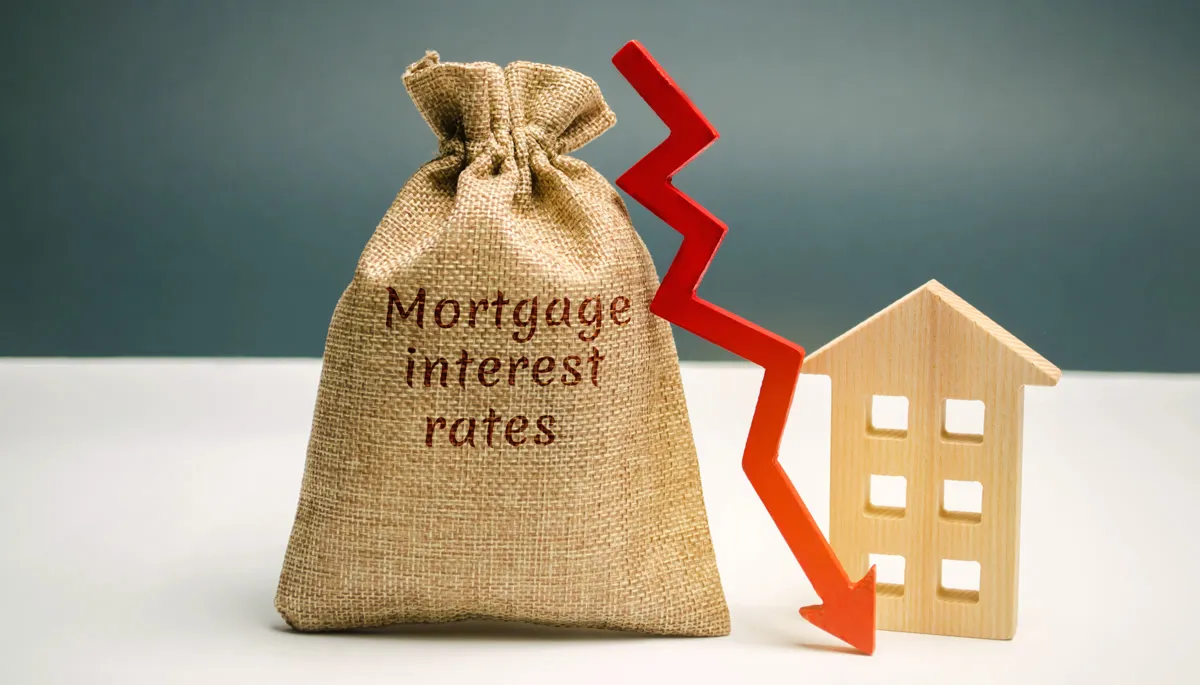
Interest rates dramatically affect affordability.
A small rate increase can:
- Reduce buying power
- Increase monthly payments
- Raise total interest costs
For example, a 1% rate increase can reduce affordability by tens of thousands of dollars.
Property Taxes and Insurance
Property taxes vary widely by state and county and must be included in affordability calculations.
Homeowners insurance costs depend on:
- Location
- Property value
- Natural disaster risk
Ignoring these costs can lead to overestimating affordability.
HOA Fees and Special Assessments
Many condos and planned communities charge monthly HOA fees.
HOA fees:
- Count toward DTI
- Reduce affordability
- Can increase over time
Special assessments can add unexpected financial strain.
Maintenance and Long-Term Costs
Homeownership includes ongoing expenses such as:
- Repairs
- Maintenance
- Landscaping
- Utilities
Buyers should budget 1–3% of the home’s value annually for maintenance.
Lender Approval vs Real-Life Comfort
A lender may approve a loan amount that stretches a buyer’s budget. Buyers should leave room for:
- Emergency savings
- Retirement contributions
- Lifestyle expenses
Overbuying can lead to financial stress and missed opportunities.
How to Increase Affordability Safely
- Pay down existing debt
- Improve credit score
- Save for a larger down payment
- Shop for better interest rates
- Choose a realistic home price
Final Thoughts on Affordability
Mortgage affordability is about balance. A home should support financial stability, not strain it. Understanding how affordability works allows buyers to make confident, informed decisions.